Are AI Photo Calorie Tracking Apps Accurate? What a New NIH Study Found
Snap-a-photo calorie apps are fast, but an NIH-led test found they often undercount. What the study found, why it happens, and how to get more accurate numbers.
The short answer
- In an early NIH-led test of four photo-based apps, estimates were about 250–345 calories too low per meal on average, mostly because fat was underestimated (by about 30 g per meal).
- The findings are preliminary: they were presented at a nutrition conference in July 2026 and haven't finished peer review.
- Photo logging is still useful because it makes tracking easier to keep doing. Get closer to the truth by checking portions, adding oils and sauces, and using barcodes or official restaurant data when you can.
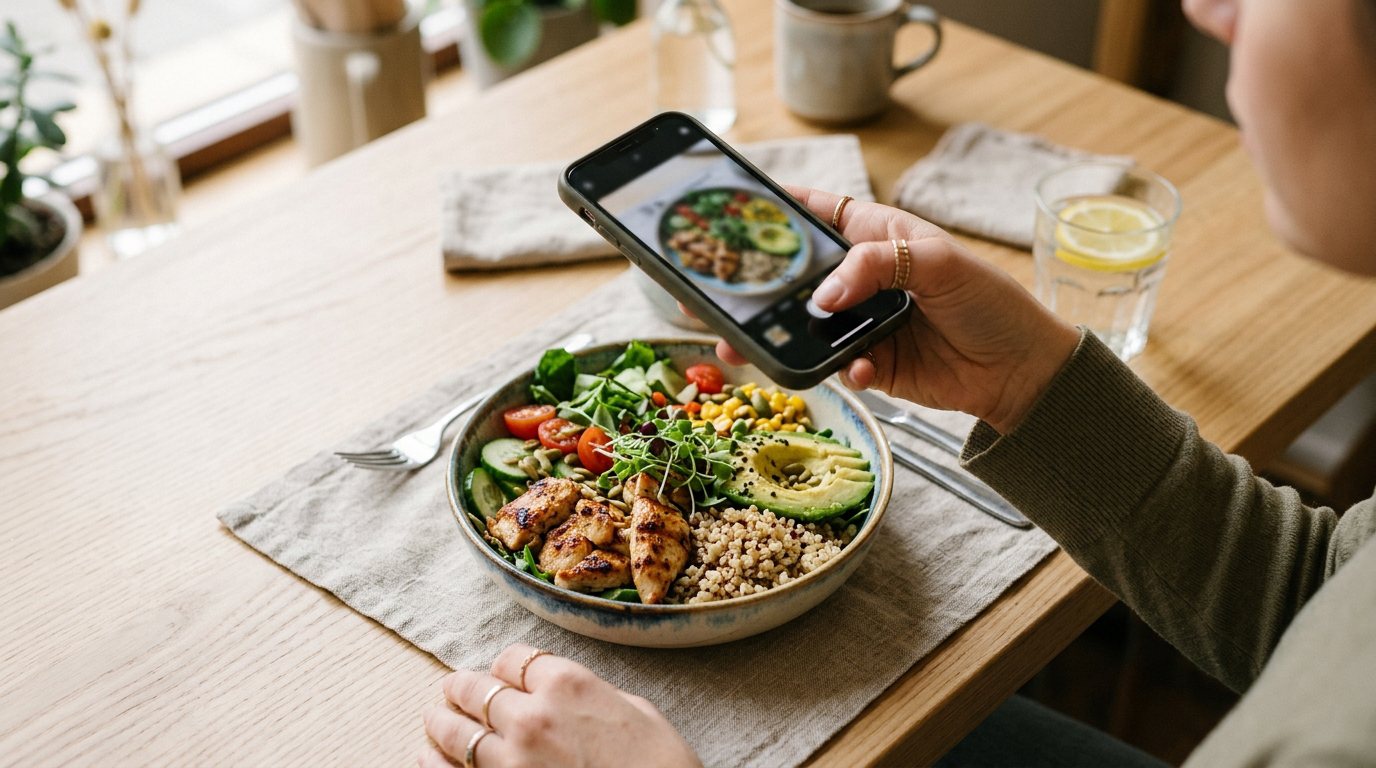
Taking a photo of your plate and getting calories in seconds is the biggest change in food tracking in years. But how close are those numbers to what you actually ate? A new test from researchers at the U.S. National Institutes of Health gives some of the first hard data.
What the NIH-led study found
Researchers at the National Institute of Diabetes and Digestive and Kidney Diseases tested four photo-based apps (MyFitnessPal, Lose It!, Cal AI and Appediet) on 102 meals that had been precisely weighed for an NIH diet study, then tested more than 200 more (ScienceDaily / American Society for Nutrition). Key results:
- Calories were underestimated by roughly 250 to 345 per meal on average across the apps.
- Fat was underestimated by about 30 g per meal, and overall estimates were about one-third too low for calories and fat.
- Estimates were more consistent for carbohydrates than for other nutrients.
- High-fat (keto-style) meals were especially hard for the apps to measure.
Why photo estimates miss calories
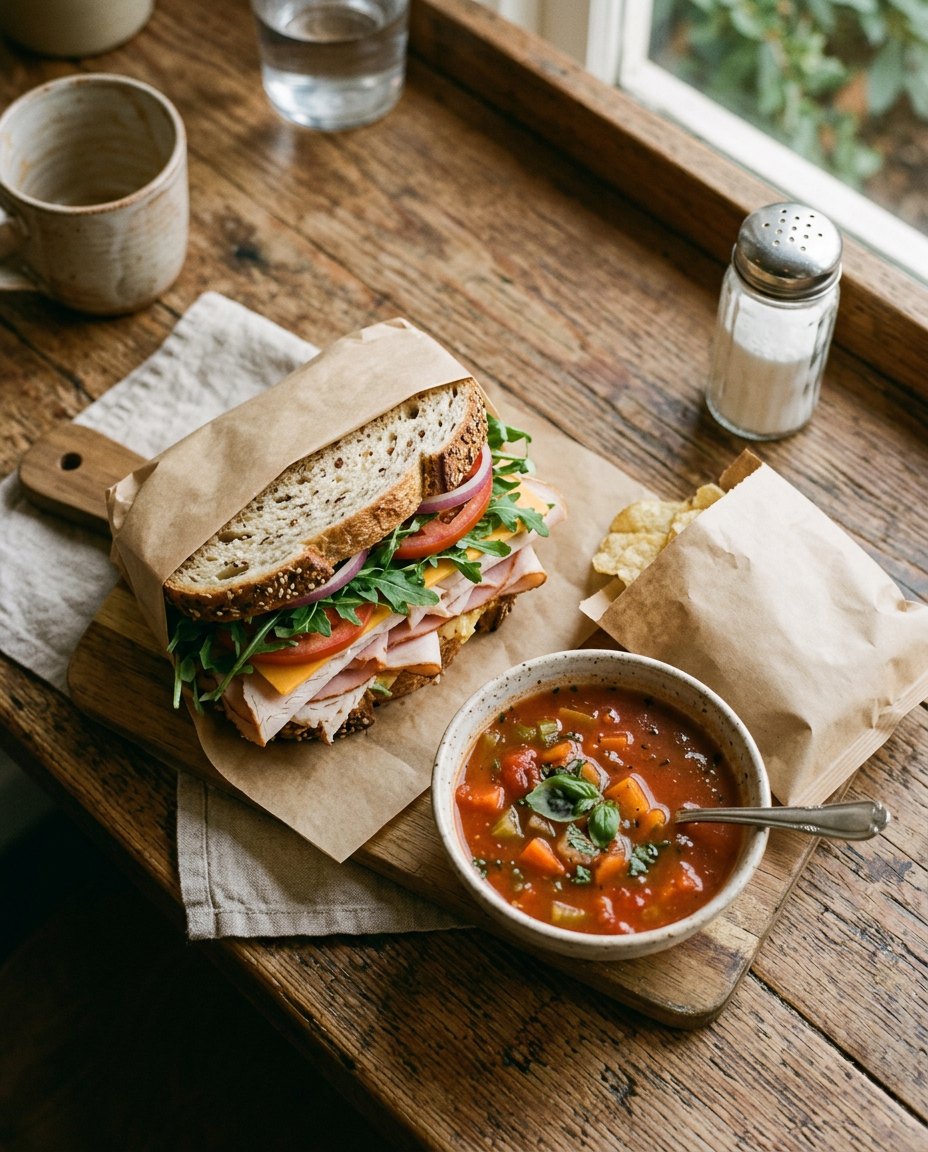
- Hidden fats: oil, butter and dressings soak in and are nearly invisible in a photo, yet a single tablespoon of oil is about 120 calories.
- Portion depth: a photo is 2D. It's hard to tell a thin layer of rice from a deep bowl of it.
- Mixed dishes: stews, curries, casseroles and sandwiches hide what's inside.
- Look-alike foods: full-fat and low-fat versions of yogurt, cheese or milk look the same.
So is tracking still worth it?
Yes. A systematic review of 59 behavioural weight-loss studies found that programs using dietary self-monitoring generally produced more weight loss than comparison groups, and 12 of the 18 studies that linked tracking adherence to results found a significant positive relationship (Raber et al., 2021).
In other words, the habit of tracking matters, and faster tools make it easier to keep that habit. The trick is knowing where to double-check.
7 ways to make photo tracking more accurate
- Always review the estimate before saving it. Adjust portion sizes rather than accepting the first guess.
- Add cooking oil, butter, sauces and dressings separately. They're the most common misses.
- Use a barcode for packaged food. Label data is far more precise than a photo.
- Use official restaurant nutrition when a chain publishes it, instead of a photo guess.
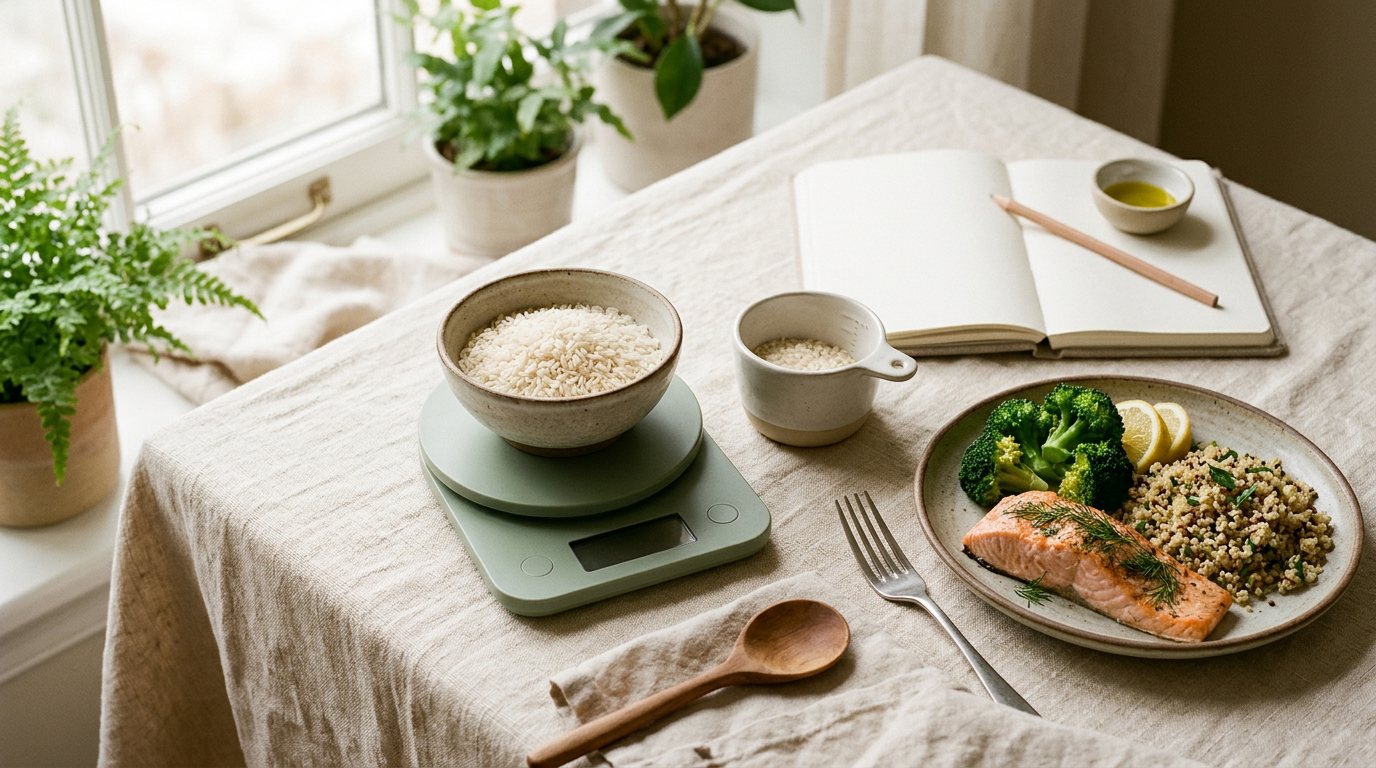
- Weigh your staples once or twice, like your usual bowl of rice or scoop of peanut butter, so you can spot bad estimates. Our guide to counting macros explains why this pays off.
- Photograph before you eat, from above and with the whole plate in frame.
- Watch your weekly weight trend. If you're tracking a deficit but not losing weight over a few weeks, you're probably undercounting. Here's how to check and adjust your calorie deficit.
How Forma approaches photo logging
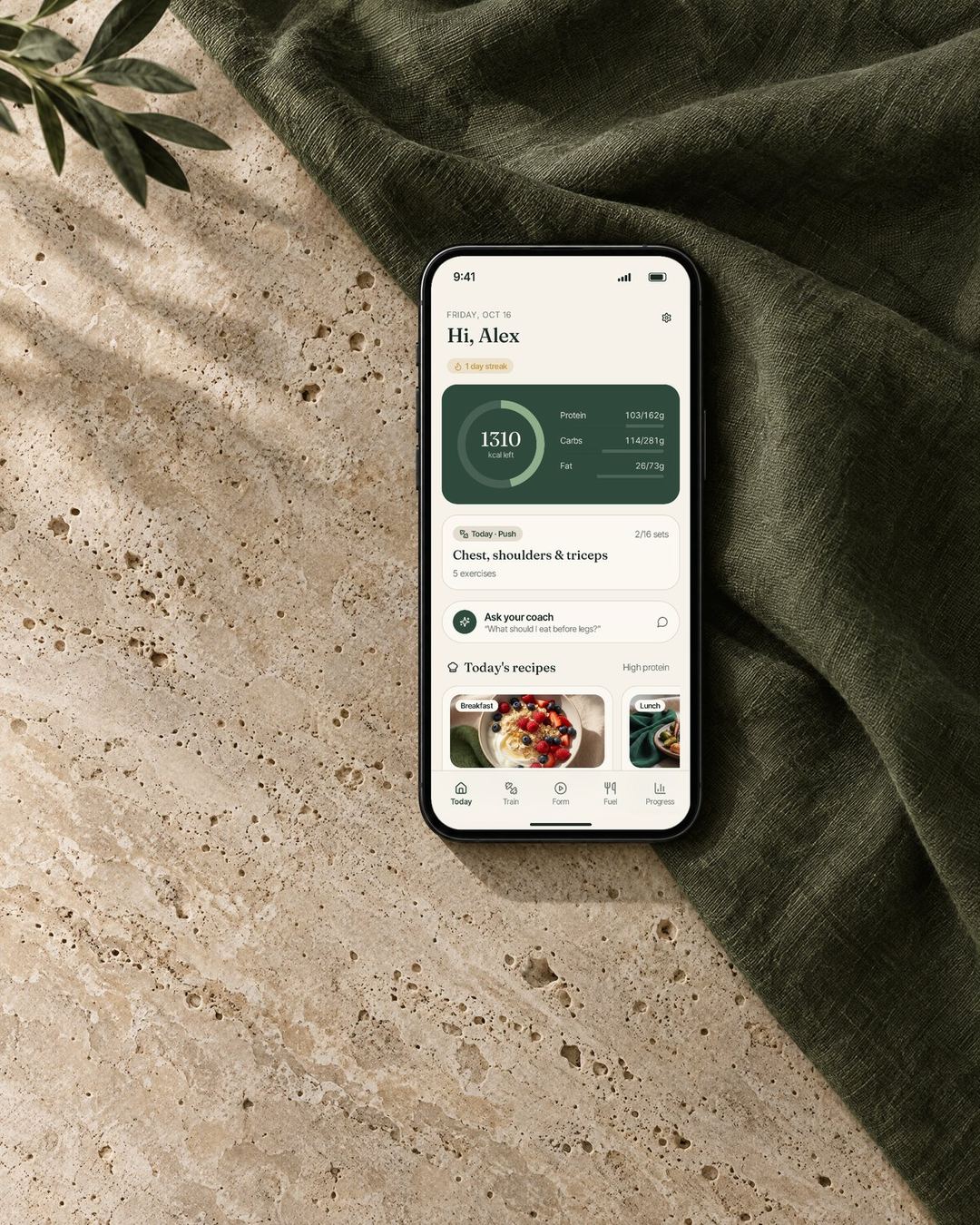
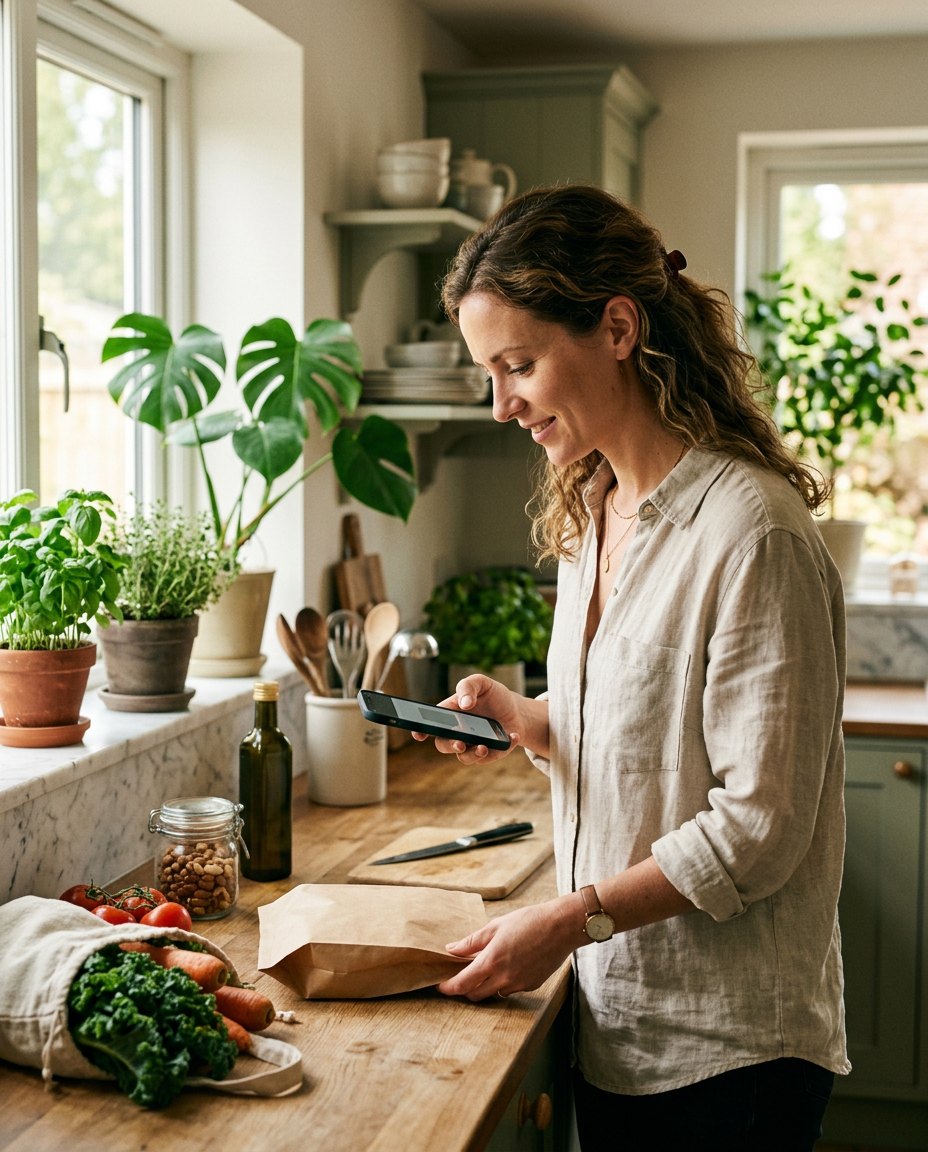
In Forma, photo results are shown as estimates you confirm, not facts: you can change any food or portion before logging. For packaged food, Forma uses barcode label data, and for eating out it includes official nutrition published by chains like Tim Hortons, A&W, Starbucks and Mucho Burrito, so you only need a photo when there's no better source. See how that works at Tim Hortons.
Frequently asked questions
How accurate are AI calorie counting apps?
Early NIH-led testing of four popular photo apps found they underestimated calories by about 250–345 per meal on average, mostly due to missed fat. The results are preliminary, but they show it's worth reviewing photo estimates.
Which is more accurate: photo, barcode or manual logging?
Barcode scanning of packaged food is usually most accurate because it uses label data. Weighing food and logging it manually is next. Photo estimates are fastest but need checking, especially for oils, sauces and mixed dishes.
Should I add extra calories to be safe?
Rather than guessing, adjust portions and add fats you can see were used. Then let your weight trend over 2–3 weeks tell you whether your tracking is close.
Was Forma included in the NIH study?
No. The study tested MyFitnessPal, Lose It!, Cal AI and Appediet.
Sources
- American Society for Nutrition / NIH (NUTRITION 2026 abstract): photo-based calorie tracking apps may underestimate energy in meals, via ScienceDaily (July 26, 2026)
- Raber M. et al. (2021). A systematic review of the use of dietary self-monitoring in behavioural weight loss interventions. Public Health Nutrition 24(17):5885–5913
This article is general information, not medical advice. If you have a health condition, are pregnant, or take medication, talk to your doctor or a registered dietitian before changing how you eat or train.